Pro Concreting Adelaide: Questions to Ask About Concrete Curing

The easiest time to discuss a difficult corner is before equipment arrives at the property. While gathering initial measurements, anyone considering Pro Concreting Adelaide for pour-day and post-pour planning should start with a written brief, site photos, and a list of questions before treating any early figure or design idea as final.
Concrete project planning and surface preparation

Discuss the period after placement

The project does not end when the surface looks finished. Ask how weather decisions are handled, where joints are expected, what access restrictions apply, and which curing or protection steps belong to each party. Written handover information is far easier to follow than instructions remembered beside a noisy truck. That early detail can feel fussy, but it is far cheaper than discovering the same issue after the work area has been opened.

Request representative finish information and ask how normal variation may appear across a larger area. Colour, aggregate, texture, sealing, lighting, and nearby materials influence the final impression. View samples in conditions similar to the property where possible instead of relying on a bright phone screen.

Weather, joints, and curing

Check the proposal for a clear process if site conditions differ from the initial brief. Unexpected material below the surface, difficult access, hidden services, or unsuitable existing concrete can affect the work. Written variation steps help both parties pause, understand the change, and agree on the next decision.

At handover, look at the agreed scope rather than expecting every concrete surface to resemble a digital render. Ask about access timing, cleaning, early care, maintenance, sealing if relevant, and whom to contact with a concern. Note the advice while it is fresh instead of trusting a busy afternoon memory.

Make handover instructions usable

Plan how the area will be used during and immediately after the work. Vehicles, bins, deliveries, outdoor furniture, and regular walking routes may need temporary alternatives. Clear arrangements protect the new surface and keep the property functioning while access restrictions remain in place.

Ask who is responsible for excavation, spoil removal, base preparation, formwork, reinforcement, concrete supply, pumping if required, finishing, cutting or forming joints, curing arrangements, clean-up, and reinstatement around the work. Responsibilities written beside the price are much easier to compare than assumptions hidden in a short total.

Discover More Here: Questions for a Brilliant Storage Limited Visit

The quickest route to an untidy unit is to arrive with loose items and no layout in mind. Anyone considering discover more here for questions for a brilliant storage limited visit should start by mapping the real load, the likely visit pattern, and the practical limits of the site before comparing prices.

Organised boxes and belongings prepared for storage

Organise access as well as floor area

Compare the complete routine, not just the room dimensions. Travel time, vehicle access, lift size, corridor turns, operating hours, and frequency of visits all affect a practical choice. A slightly different location may save effort every time something is collected.

Read the rental terms slowly. Note the billing cycle, deposit, notice period, accepted payment methods, late-payment process, and charges that sit outside the headline price. Ask what happens if the rental continues longer than planned. Written answers are easier to remember than a hurried conversation beside a loading trolley. This matters particularly for questions for a brilliant storage limited visit, where a small planning detail can change the loading or retrieval routine.

Make labels do useful work

Furniture benefits from cleaning and drying before it is covered. Remove detachable legs or shelves when practical and keep fittings in a labelled bag tied to the matching piece. Breathable covers can protect surfaces without trapping the moisture that sealed plastic may hold.

Photograph larger items and the finished layout. Keep the rental agreement, inventory, access information, and provider contact details together. These records help another household or team member retrieve belongings without turning the visit into a treasure hunt.

Keep the records outside the unit

Before leaving, check that nothing blocks the door or projects into the aisle. Update the inventory with the rough position of each item. The final five minutes of organisation often save half an hour during the next visit, which is a respectable return on a short checklist.

Use sturdy boxes in a small range of sizes. Heavy belongings belong in smaller cartons; lighter bulky items can fill larger ones. Fill empty gaps so contents do not shift, but avoid creating boxes that require a heroic lift. Tape the base securely and keep handles clear.

Documents and collections need an orderly retrieval system. Group material by subject or date, use containers suited to the contents, and keep an index outside the unit. Sensitive records may carry privacy, retention, or disposal duties, so business users should review their own requirements before storing them.

3 Trio Bangladesh yang Perlu Diperhatikan Timnas Indonesia di FIFA ASEAN Cup 2026

Jadwal yang terlihat sederhana di layar sering menyimpan banyak keputusan bagi pemain, pelatih, dan penonton. Untuk memahami tiga pemain lawan yang patut diamati pada turnamen regional dengan alur yang lebih utuh, My Nex dapat menjadi titik baca awal, lalu cocokkan pembahasannya dengan pembaruan resmi agar konteksnya tetap segar.

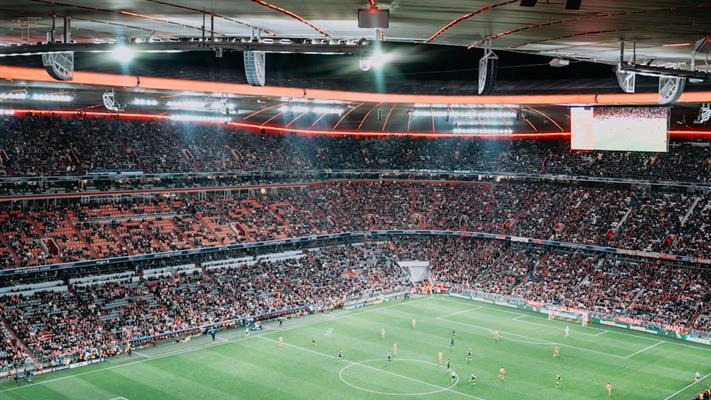
Ilustrasi editorial pertandingan dan latihan sepak bola

Waspada tanpa bermain ketakutan

Ancaman lawan tidak selalu datang dari pemain yang membawa bola. Rekan yang membuka ruang, menarik penjaga, atau memulai tekanan dapat sama berbahayanya. Karena itu, pengamatan harus melihat hubungan antarpemain. Nah, bagian ini sering luput karena perhatian keburu tersedot pada hasil akhir. Membaca proses membuat penilaian lebih adil dan, terus terang, obrolan setelah laga juga tidak cepat buntu.

Kondisi kandang dan tandang ikut membentuk pendekatan. Perjalanan, permukaan lapangan, cuaca, dan tekanan penonton dapat mengubah tempo. Tim yang matang tidak selalu tampil dengan cara sama; mereka menyesuaikan diri tanpa kehilangan prinsip utama. Fleksibel bukan berarti bingung, melainkan tahu kapan harus mengubah gigi.

Putus aliran sebelum terlambat

Disiplin sering terdengar seperti kata yang kaku, padahal wujudnya sederhana: tidak terpancing, menjaga jarak, dan tetap menjalankan tugas ketika lelah. Dalam laga ketat, satu pelanggaran ceroboh atau satu pemain terlambat turun dapat membuka ruang yang sebelumnya tertutup rapat.

Satu hasil tidak pernah berdiri sendirian. Lihat lawan, jadwal sebelum laga, kondisi pemain, dan perubahan yang dibuat selama pertandingan. Konteks bukan alasan untuk menghapus kesalahan, melainkan cara memahami mengapa kesalahan muncul dan apakah tim punya jalan untuk membenahinya.

Duel satu lawan satu bukan segalanya

Perhatikan apa yang terjadi ketika bola hilang. Apakah pemain terdekat langsung menekan, mundur membentuk blok, atau justru meninggalkan celah? Beberapa detik pertama setelah pergantian penguasaan sering memperlihatkan kesiapan sebuah tim. Di situlah rencana latihan bertemu keadaan yang sulit diprediksi.

Data membantu, asalkan pertanyaannya tepat. Jumlah tembakan tanpa lokasi dan kualitas peluang bisa menipu. Penguasaan bola juga tidak selalu berarti kendali. Gabungkan angka dengan konteks pertandingan: siapa yang sedang unggul, bagian lapangan mana yang dikuasai, dan risiko apa yang sengaja diambil.

Adelaide Concrete Contractors: Overlay Thickness and Doorway Clearance

A tape measure tells part of the story, while rain marks and worn paths often tell the rest. For overlay thickness and doorway clearance, readers who discover more here should first record intended loads, slab dimensions, edges, reinforcement details, and supporting documents. That evidence gives the site discussion a firm starting point without locking in a solution too early.

Overlay Thickness and Doorway Clearance in a practical concrete project

Start With the Conditions on Site

The subject here is overlay thickness and doorway clearance. It sits within concrete structure and load planning, so the work area needs to be read alongside its connections. Mark the proposed limits, take wide photographs, and note how the space behaves during normal use. Include anything that could affect access, drainage, preparation, or the final edge.

Record the Existing Conditions

Walk the site slowly and look for intended loads, slab dimensions, edges, reinforcement details, and supporting documents. Photograph each item from more than one direction. Add basic dimensions, but label them as early measurements for verification. general online rules cannot replace project-specific structural information. A site visit can then test the notes instead of beginning with a blank page and a handful of assumptions.

Show where water travels after rain, where people or vehicles move, and which access points must remain usable. Note trees, service covers, downpipes, walls, garden edges, existing concrete, and fragile surfaces nearby. The outline of the new concrete is important, yet the route used to build it matters as well.

Questions Worth Putting in Writing

Ask which details come from project documentation and who confirms them before placement. Ask for a written scope covering preparation, removal, formwork, concrete placement, finishing, joints, protection, clean-up, and any exclusions relevant to the job. If the site changes the plan, the proposal should explain how that variation will be described and agreed before extra work proceeds.

Compare quotations against the same brief. Check whether disposal, access equipment, temporary protection, reinstatement, and follow-up tasks are included or excluded. A short total can look wonderfully tidy while leaving several jobs off the page. Matching the line items is less exciting, but it produces a fairer comparison.

Keep the Handover Useful

Discuss the likely sequence, weather decisions, restricted access, and the period after placement. Arrange alternatives for cars, deliveries, bins, children, pets, customers, or other trades as relevant. Nearby doors, windows, paving, fences, planting, and parked vehicles may also need practical protection while the work zone is active.

Keep the accepted scope, selections, photographs, written changes, invoices, and care notes together. At handover, ask about access timing, cleaning, early care, maintenance, and who to contact if a concern appears. The last check should follow the agreed project information and the actual intended use, rather than a perfect digital image.

Pindah Rumah dengan Perangkat My Nex: Checklist Konsultasi dan Pemasangan Ulang

Masalah layar kadang terasa besar, padahal penyebabnya bisa sesederhana kabel yang kurang rapat. Untuk memahami pemindahan perangkat dan pemasangan ulang di rumah baru secara runtut, my nex dapat dijadikan titik awal, lalu cocokkan setiap langkah dengan informasi resmi terbaru sebelum mengubah perangkat atau membeli paket.

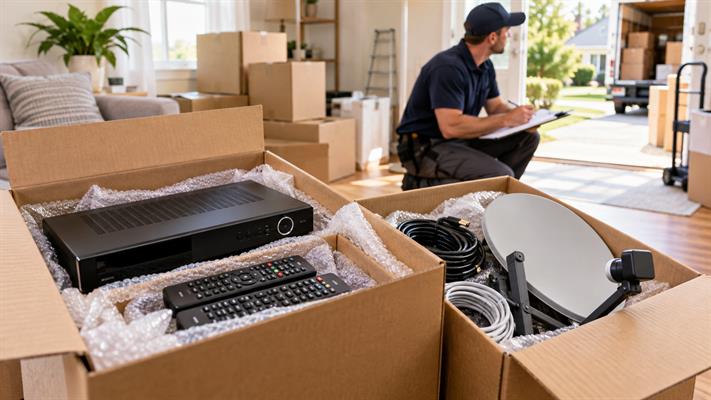
Perangkat receiver televisi, remote, dan sambungan rumah

Inventaris perangkat sebelum dikemas

Sebelum pindah, foto sambungan, catat identitas receiver, dan kemas remote serta kabel dalam satu kotak. Kondisi bangunan baru perlu dikonsultasikan karena jalur kabel, izin, dan titik pemasangan dapat berbeda dari rumah lama. Nah, langkah kecil seperti mencatat data sering menghemat waktu lebih banyak daripada mencoba berbagai tombol tanpa arah.

Sebelum mulai, siapkan buku catatan atau dokumen sederhana. Tulis kondisi awal, perubahan yang dilakukan, waktu pemeriksaan, dan hasilnya. Urutan ini membantu pengguna kembali ke pengaturan semula serta memberi gambaran jelas bila bantuan resmi kemudian diperlukan.

Receiver membutuhkan ventilasi, permukaan kering, dan sambungan yang tidak tertarik. Beri ruang di sekeliling perangkat, bersihkan debu dengan aman setelah listrik dilepas, dan hindari menumpuk benda di atasnya. Panas berlebih bukan teman baik perangkat elektronik.

Konsultasikan lokasi baru

Jadwal program dan ketersediaan tayangan bisa berubah. Rencana menonton tetap berguna, tetapi sisakan pilihan cadangan. Untuk acara langsung, cek ulang pada hari tayang dan perhatikan zona waktu. Kalender membantu manusia; pembaruan resmi membantu kalender tetap benar.

Evaluasi kembali setelah beberapa waktu. Apakah tayangan yang dipilih benar-benar digunakan? Apakah biaya masih sesuai anggaran? Apakah perangkat mudah dioperasikan semua anggota rumah? Jawaban praktis tersebut lebih bernilai daripada mengikuti paket yang terasa populer.

Jangan memasang antena secara berisiko

Simpan identitas receiver, tanggal transaksi, nama paket, masa aktif, dan bukti pembayaran di tempat yang mudah ditemukan. Jangan menempelkan data sensitif di ruang terbuka. Catatan rapi membantu saat pengguna perlu memeriksa status atau menjelaskan masalah kepada petugas bantuan.

Keselamatan lebih penting daripada tayangan yang terlewat beberapa menit. Jangan naik ke atap, menyentuh instalasi basah, atau membuka perangkat tanpa keahlian. Pemeriksaan visual dari tempat aman sudah cukup untuk bahan laporan sebelum teknisi datang.

IQP Inspections in Rotorua: Following Up on Inspection Findings

Inspection findings are useful only when someone records the response and confirms what happened next. A request for IQP inspections Rotorua is most useful when the Rotorua site contact can explain what changed, what was observed, and which areas may need special access.

Commercial building compliance inspection and maintenance planning

Build the visit around the real property

Before renewal, reconcile the schedule, system register, inspection records, and completed follow-up work. Leave time to investigate gaps. The responsible parties should confirm statutory and technical requirements for the property rather than relying on a generic checklist copied from another building.

Independent qualified persons need practical access to the systems in their scope. Confirm keys, escorts, plant-room rules, tenant notice, roof access, parking, and any induction before the appointment. Restricted spaces should be disclosed early rather than discovered halfway through the allocated visit.

Make follow-up part of the job

Inspection findings should be translated into assigned actions. Record the affected system, exact location, recommended response, responsible person, target date, and closure evidence. Vague entries such as “look into this” tend to survive several meetings without producing a result.

Building changes, system alterations, ownership transitions, and new contractors should trigger a records review. Capture warranties, operating information, open defects, upcoming visits, and key contacts during handover. An undocumented assumption can travel from one manager to the next for years.

Put open items on the calendar

A Building Warrant of Fitness relies on evidence gathered through the year, so certificates and service reports should be reviewed when they arrive. Check the property, system, period, and outstanding findings. Missing or incorrect documents are easier to resolve while the visit is still fresh.

Keep records by building, system, and date using consistent file names. Include reports, certificates, correspondence about defects, and proof that remedial work was completed. The aim is a traceable sequence that another property manager can follow without relying on personal memory.

When comparing providers, ask how they define scope, manage subcontractors, report inaccessible items, deliver certificates, and escalate defects. Property portfolios also benefit from consistent naming and reporting formats, provided the method still reflects the particular systems in each building.

Brilliant Storage Limited: Packing Children’s Toys and Keepsakes

The quickest route to an untidy unit is to arrive with loose items and no layout in mind. Anyone considering Brilliant Storage Limited for packing children's toys and keepsakes should start by mapping the real load, the likely visit pattern, and the practical limits of the site before comparing prices.

Organised boxes and belongings prepared for storage

Organise access as well as floor area

Use sturdy boxes in a small range of sizes. Heavy belongings belong in smaller cartons; lighter bulky items can fill larger ones. Fill empty gaps so contents do not shift, but avoid creating boxes that require a heroic lift. Tape the base securely and keep handles clear.

Documents and collections need an orderly retrieval system. Group material by subject or date, use containers suited to the contents, and keep an index outside the unit. Sensitive records may carry privacy, retention, or disposal duties, so business users should review their own requirements before storing them. This matters particularly for packing children's toys and keepsakes, where a small planning detail can change the loading or retrieval routine.

Make labels do useful work

For a longer stay, schedule occasional reviews within the access rules. Check for shifted cartons, damaged packaging, or items that are no longer needed. Do not open unstable stacks. Repacking one weak box early is simpler than dealing with its contents across the floor.

Begin with an item list rather than a guess based on the number of rooms. Record large pieces, box quantities, awkward shapes, and anything that cannot safely support weight. Measurements reveal whether shelving or disassembly will help. They also make provider size guides and quotes much easier to compare.

Keep the records outside the unit

Label more than one side of every carton because the top may disappear beneath another box. Use a simple room and contents code, then match it to the inventory. Avoid advertising valuable contents on visible labels. A number such as K-04 can be more useful than a long description.

For business stock, record quantities as goods enter and leave. Arrange faster-moving items near the access route and give each shelf or zone a code. A simple system used consistently beats an elaborate spreadsheet that nobody updates after the first busy week.

Loading order should follow the unit plan. Put the items needed last into the vehicle first, then reverse the process at the unit. Protect corners, do not drag furniture, and use suitable help for bulky pieces. A rushed lift can injure a person and damage several belongings at once.