The primary purpose of a battery storage solution is to prevent those moments.
The concept of a battery storage system is to store electricity for future use. Simple concept. Still, it is rethinking homes, business buildings and even cities regarding energy. Power doesn’t need to be consumed as soon as it’s produced. Now it can wait patiently in reserve like canned food before a storm.
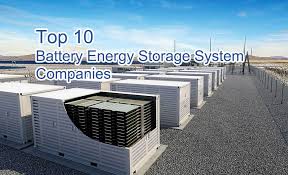
Battery storage technology was catapulted with the introduction of solar power.
In sunny afternoons, solar panels can produce more electricity than homes require. If not stored, the excess energy is returned to the grid or wasted. People didn’t like that waste. Understandably so. Generating clean electricity and then letting part of it drip out of the bottom of the bucket.
That’s a gap that battery systems fit nicely.
Energy can be captured during the day and stored in the house for use later in the evening when demand for energy is greater. Lights are available after dark, even though they are not dependent on the grid. Utility bills shrink. Some homeowners even monitor their energy savings like sports fans watch league play.
During a family meal, one man bragged about his charge levels, according to one rumour. This is the place we find ourselves today.
Battery storage is viewed as a safeguard and an opportunity for business. Large facilities use massive amounts of electricity, particularly during “peak hours” when electricity rates are high. The companies save money by storing electricity at a lower cost ahead of time, thereby avoiding the high cost of electricity purchases later. Battery systems are being used at warehouse, office, and factory sites as financial shock absorbers.
Well, it is clear that the math is correct.
Electricity systems aren’t as robust during peak load times. Heat waves are particularly harsh. All air conditioners turn on at once, and the electrical grid begins to squeal like a pony going uphill. Traditional power plants can respond but have to be ramping up production. Batteries transfer their energy in an instant.
It is important to realize that this speed is not to be taken lightly.
Stabilizing voltage and frequency before it starts to turn into a bigger issue is achieved through fast storage systems. Imagine batteries as the substitutes that are called on to the pitch before everyone else gets disheartened.
For the time being, the industry leader is lithium-ion batteries. The abundance of electric vehicles and consumer electronics made them more affordable. Production expanded rapidly. Prices dropped. Large-scale battery storage projects became not only financially feasible but also viable, rather than seeming like futuristic experiments.